
Not all bets are about sports or cards anymore. Some people now place wagers on the sky itself. Predicting rare weather events like tornadoes, auroras, or desert snowstorms has become a niche corner of online betting on 22Bet. It’s strange, thrilling, and deeply tied to how humans love to outsmart nature, if only for fun or profit.
How Weather Became a Betting Market
It started with insurance companies. For decades, they’ve used weather futures to protect businesses from storm damage or crop loss. But as data tools evolved, ordinary people wanted in too. Betting platforms began offering “event markets” where users could guess if lightning would strike twice in a city within a month or if an aurora would be visible past the Arctic Circle by a certain date.
The Science Behind the Wager
Betting on the weather isn’t pure luck. It’s about reading patterns. People who study the weather look at air pressure, solar wind, and temperature changes to spot rare events. A bettor might see a polar vortex forming weeks before the news does. For them, it’s not just weather, it’s opportunity wrapped in wind and ice.
Tornado Betting: A Whirlwind Challenge
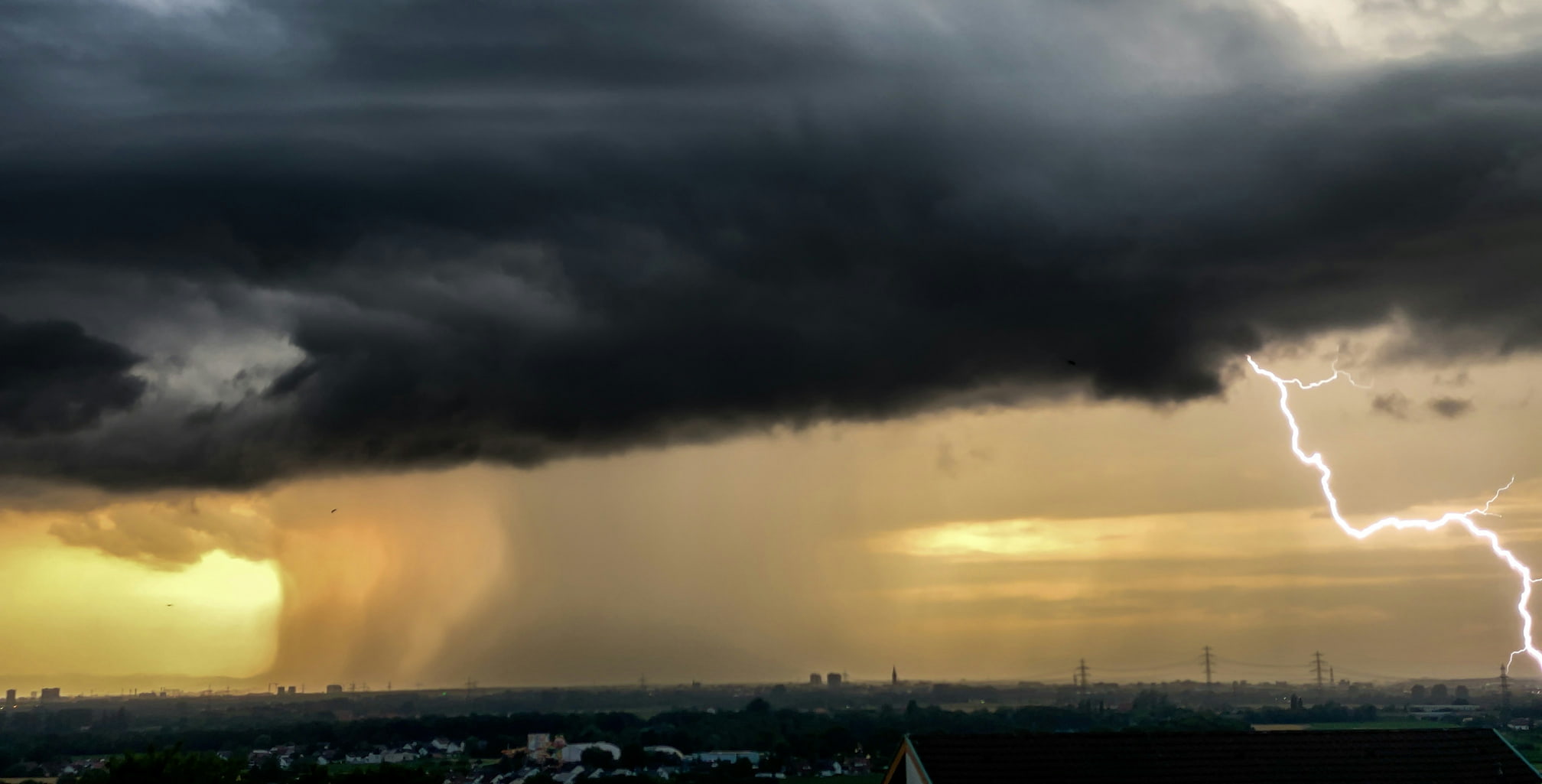
Tornadoes are the wild cards of nature. They form fast, vanish faster, and often defy even satellite predictions. Betting on them involves risk and adrenaline. Some markets allow wagers on the number of tornadoes in a given U.S. state during peak season. Others focus on their strength, measured by the Enhanced Fujita Scale. For some people, every twist in the clouds feels like a chance to win or lose.
Chasing the Northern Lights
Aurora betting is more peaceful but just as complex. The northern lights appear when solar storms hit Earth’s magnetic field. To predict them, people watch solar flares and space weather updates. Bettors check NASA data, aurora alerts, and live webcams to guess if the sky will glow soon. It’s part science, part luck, and always amazing.
When Freak Storms Become Predictable
From hailstorms in deserts to snow in tropical regions, freak weather is gaining attention among bettors. Climate shifts make once-impossible events more likely, and prediction markets reflect that. A sudden heatwave in winter or an off-season monsoon can bring high odds and higher payouts. But there’s an ethical debate too: should people profit from extreme weather that can harm communities?
Tech and Data: The Silent Partners
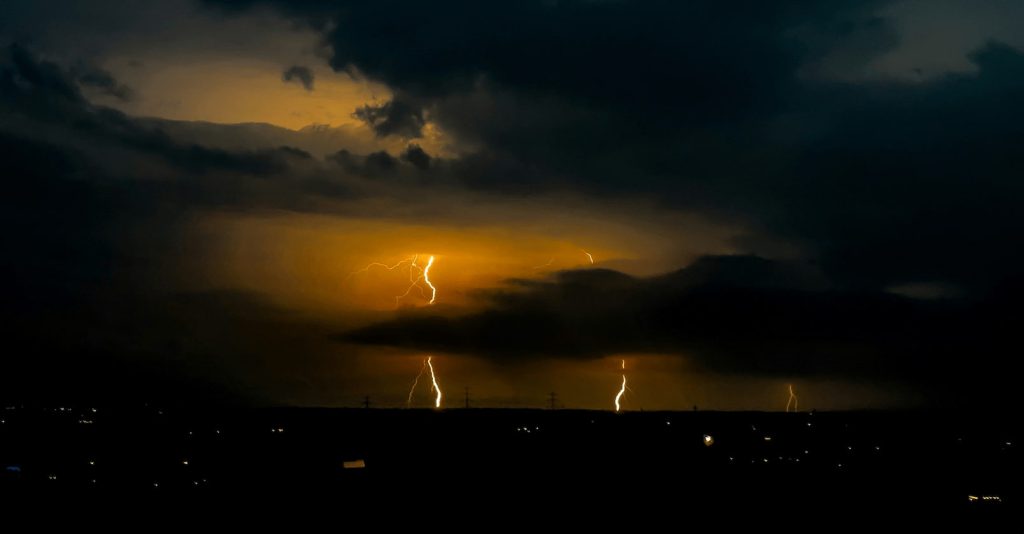
Every weather bet is backed by lots of data. Platforms use satellites, AI, and reports from people to set the odds. Bettors analyze maps, solar indices, and radar imagery like traders watching stock charts. The thrill comes not only from the bet itself but from decoding Earth’s chaotic signals. It’s part science, part intuition, and part luck.
The Emotional Pull of Nature’s Gamble
There’s something poetic about betting on a storm. It’s the closest humans can get to challenging nature without trying to control it. Bettors feel both humbled and excited. Seeing clouds gather after a bet feels like watching fate. Win or lose, it shows we are still ruled by nature.
Legal Gray Skies
Unlike sports betting, weather-based wagers don’t have universal regulations. In some countries, they fall under prediction markets or “event speculation.” Others ban them entirely. That’s why decentralized crypto platforms often host these bets. On blockchain-based sites, users can create custom weather markets, verified by public data feeds. It’s the wild west of weather gambling, transparent but unpredictable.
From Curiosity to Community
Over time, small groups of weather fans joined online clubs. They share forecasts, charts, and tips. They aren’t risky gamblers, just hobbyists who love science and excitement. Their chats are full of satellite images, aurora alerts, and fun challenges. It’s more about curiosity than money, enjoying the planet’s moods together.